
Exploring the changing landscape of marketing, Retail Advertising Agencies: Navigating the Cookieless Future of Marketing delves into how agencies are adapting to new challenges and opportunities. Discover the strategies and innovations shaping the future of targeted advertising in the retail sector.
Overview of Retail Advertising Agencies
Retail advertising agencies play a crucial role in the marketing ecosystem by helping retailers promote their products and services effectively to target audiences. These agencies specialize in creating strategic advertising campaigns that drive sales and increase brand awareness for retailers.Role of Retail Advertising Agencies
Retail advertising agencies act as a bridge between retailers and their target customers, utilizing their expertise in marketing and advertising to create impactful campaigns that resonate with the audience. They work closely with retailers to understand their goals and objectives, developing customized strategies to reach and engage potential customers effectively.- Research and Analysis: Retail advertising agencies conduct thorough market research and analysis to identify target demographics and consumer behavior patterns, allowing them to tailor advertising campaigns that are relevant and appealing to the intended audience.
- Creative Campaign Development: These agencies work on creating compelling ad creatives, messaging, and branding elements that capture the essence of the retailer's products or services, making them stand out in a crowded marketplace.
- Media Planning and Buying: Retail advertising agencies are experts in media planning and buying, ensuring that the advertising campaigns reach the right audience through the most effective channels, whether it be traditional media, digital platforms, or a combination of both.
- Performance Monitoring and Optimization: Once the campaigns are live, these agencies monitor their performance closely, analyzing key metrics and making necessary adjustments to optimize the results and maximize the return on investment for retailers.
By leveraging the expertise of retail advertising agencies, retailers can effectively promote their offerings, drive sales, and build long-lasting relationships with their target audiences.
The Impact of Cookieless Future on Retail Advertising
In the ever-evolving landscape of digital marketing, the shift towards a cookieless future has significant implications for retail advertising agencies. With cookies being phased out due to privacy concerns and regulatory changes, targeted advertising strategies are undergoing a transformation.
Implications of Cookieless Future on Targeted Advertising Strategies
- Targeting based on third-party cookies will become less effective, impacting the ability to track and target specific audiences.
- Retail advertising agencies will need to rely more on first-party data and contextual targeting to reach their desired audience segments.
- Personalized advertising may become more challenging without the granular data provided by cookies, requiring innovative approaches to engage consumers effectively.
Adaptation of Retail Advertising Agencies to Cookieless Future
- Retail advertising agencies are investing in building stronger relationships with customers to gather first-party data directly, ensuring compliance with privacy regulations.
- Utilizing AI and machine learning algorithms to analyze user behavior and preferences without relying on cookies for tracking.
- Exploring alternative identifiers such as email addresses or device IDs to create targeted advertising campaigns.
Alternative Methods for Audience Targeting Post-Cookies
- Contextual targeting based on the content of the webpage rather than user data, ensuring relevance to the consumer's current interests.
- Collaborating with publishers and leveraging their first-party data to reach specific audience segments effectively.
- Implementing privacy-first solutions like differential privacy or federated learning to protect user data while still delivering personalized advertising.
Strategies for Success in a Cookieless Environment
In a cookieless environment, retail advertising agencies need to adapt and innovate their strategies to continue delivering personalized marketing experiences to consumers without relying on cookies.Utilizing First-Party Data
Retail advertising agencies can focus on leveraging first-party data obtained directly from consumers to tailor personalized marketing campaigns. By collecting data through interactions on their websites, email newsletters, or loyalty programs, agencies can gain insights into consumer preferences and behavior without relying on third-party cookies.Contextual Targeting and Content Marketing
Instead of targeting consumers based on their browsing history, retail advertising agencies can shift towards contextual targeting and content marketing strategies. By aligning advertisements with the content consumers are already engaging with, agencies can reach their target audience in a more relevant and meaningful way.Investing in AI and Machine Learning Technologies
Retail advertising agencies can invest in AI and machine learning technologies to analyze consumer behavior patterns and predict future preferences. By utilizing these advanced technologies, agencies can create personalized marketing strategies that resonate with consumers, even in a cookieless environment.Collaborating with Publishers and Influencers
Collaborating with publishers and influencers who have a loyal following can help retail advertising agencies reach their target audience effectively. By partnering with trusted sources, agencies can enhance brand credibility and deliver personalized marketing messages without relying on cookies.Comparison between Traditional Cookie-Based Advertising and Cookieless Strategies
Traditional cookie-based advertising relies on tracking consumers across websites to deliver targeted ads based on their browsing historyLeveraging First-Party Data for Retail Advertising
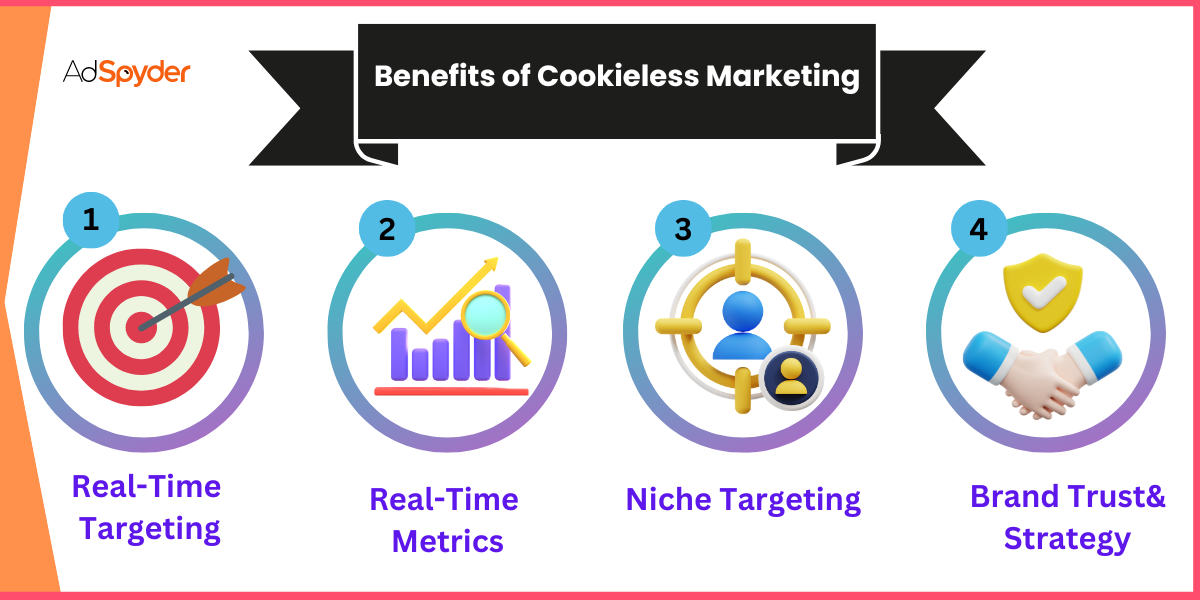
First-party data plays a crucial role for retail advertising agencies in a cookieless landscape as it allows them to directly connect with their customers without relying on third-party cookies. This data is collected directly from interactions with customers on the agency's own platforms, such as websites, apps, or social media accounts.
Collecting and Analyzing First-Party Data
Retail advertising agencies can collect first-party data through various touchpoints like website analytics, customer surveys, loyalty programs, and email subscriptions. By analyzing this data, agencies can gain insights into customer behavior, preferences, and purchase history, enabling them to create more targeted and personalized campaigns.
Leveraging First-Party Data for Targeted Campaigns
- Personalization: Use first-party data to create personalized ads based on customer preferences and behaviors.
- Segmentation: Divide customers into specific segments based on their interactions with the brand to tailor campaigns accordingly.
- Retargeting: Target customers who have shown interest in products or services but have not made a purchase yet.
- Cross-selling and Upselling: Recommend related products or services based on past purchases to increase sales opportunities.
Best Practices for Utilizing First-Party Data
- Transparency: Clearly communicate to customers how their data will be used and provide options to opt-out if desired.
- Data Security: Ensure that first-party data is protected against breaches and comply with data privacy regulations.
- Ongoing Analysis: Continuously analyze and update first-party data to ensure its relevance and accuracy for campaigns.
- Integration: Integrate first-party data with other marketing tools and technologies to maximize its impact on advertising strategies.
Final Summary

In conclusion, Retail Advertising Agencies: Navigating the Cookieless Future of Marketing illuminates the path forward for agencies seeking to thrive in a cookieless environment. Stay ahead of the curve with cutting-edge approaches and tailor-made solutions for effective audience engagement.
Essential FAQs
How are retail advertising agencies adapting to the cookieless future?
Retail advertising agencies are exploring alternative methods for audience targeting post-cookies, focusing on first-party data and personalized marketing.
Why is first-party data significant for retail advertising agencies?
First-party data is crucial in a cookieless landscape as it allows agencies to collect, analyze, and leverage data for targeted campaigns without relying on third-party cookies.
What are some effective strategies for retail advertising agencies in a cookieless environment?
Agencies can adopt innovative approaches for personalized marketing, compare traditional cookie-based advertising with cookieless strategies, and focus on enhancing advertising effectiveness through first-party data.