
In the fast-paced world of advertising, embracing digital business transformation solutions is crucial for modern agencies to stay competitive and relevant. This article delves into the key technologies, strategies, and benefits that drive this transformation, offering valuable insights for advertising professionals looking to adapt to the digital age.
Overview of Digital Business Transformation Solutions for Modern Advertising Agencies
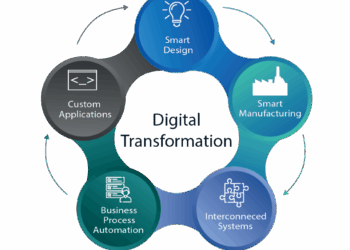
 Digital business transformation refers to the integration of digital technology into all aspects of a business, fundamentally changing how it operates and delivers value to customers. In the context of modern advertising agencies, this means leveraging digital tools and platforms to streamline processes, enhance creativity, and improve client outcomes.Modern advertising agencies need to embrace digital transformation solutions in order to stay competitive in today's fast-paced and tech-driven environment. By adopting digital technologies, agencies can better target and reach their audiences, optimize campaign performance, and provide more personalized and efficient services to clients.One example of how digital transformation has impacted advertising agencies is the shift towards data-driven decision-making. With the wealth of digital data available, agencies can now analyze consumer behavior, track campaign performance in real-time, and make data-driven adjustments to optimize results. This analytical approach has revolutionized the way advertising campaigns are planned, executed, and evaluated.Another example is the rise of automation and artificial intelligence in advertising. Digital tools like programmatic advertising, chatbots, and AI-powered analytics have enabled agencies to automate repetitive tasks, personalize messaging at scale, and deliver more targeted and relevant campaigns to audiences. This level of automation not only increases efficiency but also frees up creative talent to focus on strategic thinking and innovation.Overall, digital business transformation solutions have become essential for modern advertising agencies looking to adapt to the evolving landscape of the industry and deliver impactful results for their clients.
Key Technologies Driving Digital Business Transformation in Advertising Agencies
Artificial intelligence (AI) and data analytics are two key technologies that are revolutionizing the way advertising agencies operate in the digital age.Artificial Intelligence in Advertising
AI is transforming advertising practices by enabling agencies to personalize advertisements, optimize targeting, and automate various processes. Machine learning algorithms analyze vast amounts of data to understand consumer behavior and preferences, allowing agencies to create more effective and targeted campaigns. AI-powered tools can also help in real-time ad placement, content creation, and performance tracking, leading to increased efficiency and effectiveness in advertising strategies.Data Analytics for Optimizing Advertising Campaigns
Data analytics plays a crucial role in optimizing advertising campaigns by providing agencies with valuable insights into campaign performance, consumer behavior, and market trends. By analyzing data from various sources, such as social media, website traffic, and customer interactions, agencies can make data-driven decisions to improve targeting, messaging, and overall campaign effectiveness. Through advanced analytics techniques, agencies can measure the impact of their campaigns, identify areas for improvement, and continuously optimize their advertising strategies for better results.Implementing Digital Business Transformation Strategies
Implementing digital business transformation strategies in advertising agencies requires careful planning and execution to ensure successful outcomes. Here are the steps involved in the process:
Steps for Advertising Agencies to Plan and Execute Digital Transformation
- Conduct a comprehensive assessment of current processes, technologies, and resources to identify areas that need improvement.
- Set clear goals and objectives for the digital transformation initiative, aligning them with the overall business strategy.
- Develop a roadmap outlining the specific steps, timelines, and milestones for implementing digital transformation solutions.
- Allocate resources, including budget, technology infrastructure, and skilled personnel, to support the transformation process.
- Implement digital technologies and tools, such as data analytics, AI, and automation, to streamline operations and enhance customer engagement.
- Monitor and evaluate the progress of the digital transformation initiative regularly, making adjustments as needed to ensure success.
Challenges Faced During the Implementation of Digital Business Transformation Solutions
- Resistance to change from employees who are accustomed to traditional ways of working.
- Lack of expertise and skills in implementing and managing new digital technologies.
- Integration issues when trying to connect existing systems with new digital solutions.
- Data security and privacy concerns related to the use of customer data for targeted advertising.
- Financial constraints that may limit the agency's ability to invest in advanced digital tools and technologies.
Real-World Examples of Successful Digital Transformation Strategies in Advertising Agencies
One notable example of a successful digital transformation strategy in an advertising agency is the case of Ogilvy. The agency embraced digital technologies early on, implementing AI-powered data analytics tools to optimize ad campaigns and improve targeting. This shift towards data-driven marketing resulted in increased efficiency, better ROI for clients, and a competitive edge in the industry.
Benefits of Digital Business Transformation for Advertising Agencies
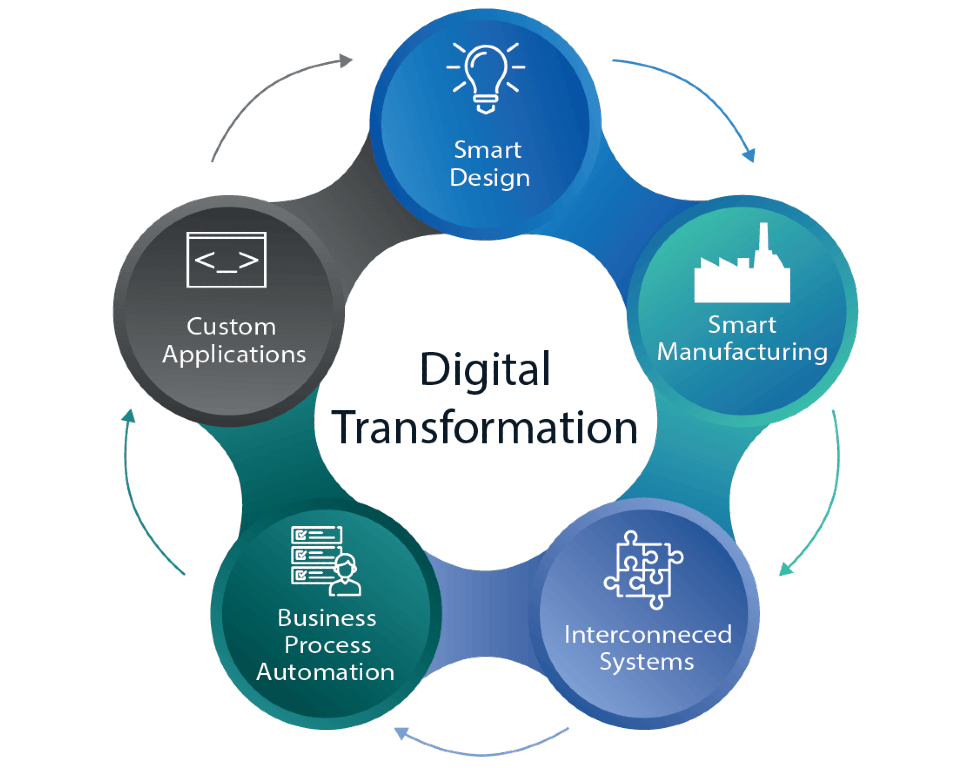 Digital business transformation offers numerous advantages to advertising agencies, revolutionizing the way they operate and interact with clients. By embracing digital solutions, agencies can stay ahead of the competition and adapt to the ever-changing landscape of advertising.
Enhanced Targeting and Personalization
- With digital transformation, advertising agencies can leverage data analytics to target specific audiences more effectively.
- Personalized campaigns can be created based on consumer behavior, preferences, and demographics, leading to higher engagement rates.
Improved Efficiency and Cost-effectiveness
- Automation of tasks such as campaign management and reporting streamlines processes, saving time and resources.
- Reduced manual intervention leads to lower operational costs and increased profitability for advertising agencies.
Real-time Performance Tracking and Optimization
- Digital tools enable agencies to monitor campaign performance in real-time, allowing for quick adjustments to optimize results.
- Data-driven insights help agencies make informed decisions to improve ROI and deliver better outcomes for clients.
Enhanced Customer Engagement and Retention
- Interactive digital experiences, such as social media engagement and personalized content, foster stronger relationships with customers.
- Increased engagement leads to higher customer satisfaction, loyalty, and ultimately, improved retention rates for advertising agencies.
Ultimate Conclusion
As we conclude our exploration of Digital Business Transformation Solutions for Modern Advertising Agencies, it becomes evident that the shift towards digital strategies is not just a trend but a necessity for agencies to thrive in today's market. By implementing these solutions, agencies can enhance their customer engagement, optimize their campaigns, and ultimately achieve a higher return on investment.
FAQs
How can digital business transformation benefit advertising agencies?
Digital transformation can streamline processes, improve efficiency, enhance customer targeting, and boost ROI for advertising agencies.
What are some key technologies driving digital transformation in advertising agencies?
Artificial intelligence, data analytics, and automation are key technologies transforming advertising practices.
What challenges do advertising agencies face when implementing digital transformation solutions?
Common challenges include resistance to change, lack of digital skills, and integration issues with existing systems.