
Exploring the realm of Digital Transformation for Nonprofits: Partnering with Retail Advertising Agencies, this introduction sets the stage for an insightful journey into the convergence of technology and nonprofit sector, offering a fresh perspective that is both informative and engaging.
The following paragraph will delve deeper into the significance and impact of digital transformation for nonprofits, providing concrete examples to illustrate key points.
Overview of Digital Transformation for Nonprofits
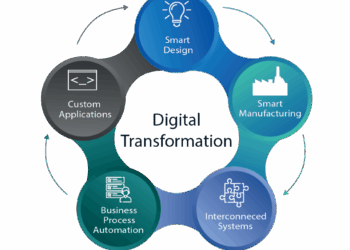
Digital transformation is the integration of digital technology into all areas of a nonprofit organization, fundamentally changing how it operates and delivers value to its stakeholders. For nonprofits, embracing digital transformation is crucial in staying relevant, efficient, and effective in achieving their missions.Impact of Digital Transformation on Nonprofits
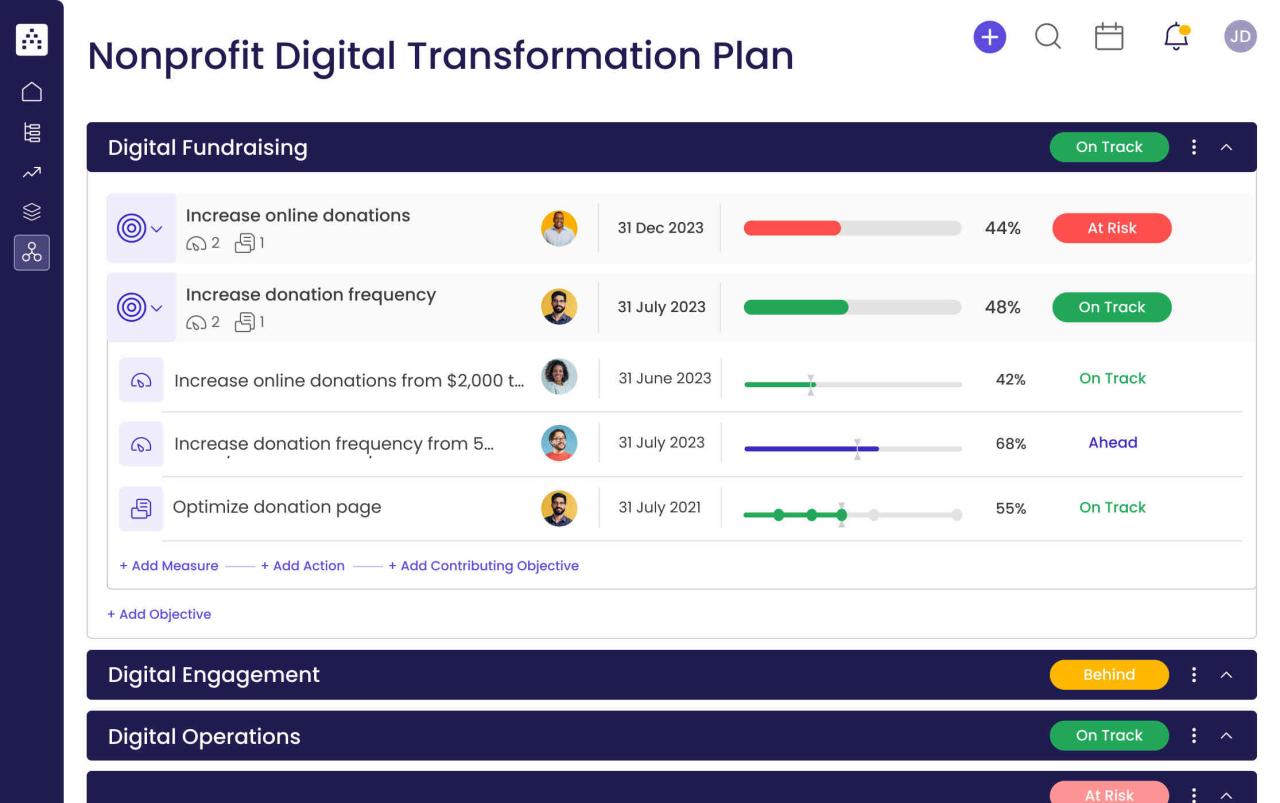
Digital transformation has a profound impact on the operations and outreach of nonprofits. It enables organizations to streamline processes, improve data management, enhance communication with donors and beneficiaries, and optimize fundraising efforts. By leveraging digital tools and platforms, nonprofits can reach a wider audience, increase engagement, and ultimately make a greater impact in their communities.- Improved operational efficiency: Digital transformation allows nonprofits to automate manual tasks, reduce administrative costs, and make better use of resources.
- Enhanced data management: Nonprofits can collect, analyze, and utilize data more effectively to make informed decisions and improve program outcomes.
- Expanded reach and impact: Through digital channels such as social media and online fundraising platforms, nonprofits can connect with a larger audience, raise awareness, and attract new supporters.
Examples of Successful Digital Transformation Initiatives in the Nonprofit Sector
Water.orgtransformed its donation process by introducing an online platform that simplifies the giving experience for donors, resulting in increased donations and support for their cause.
Charity: Waterutilized virtual reality technology to immerse donors in the communities they serve, creating a more personal and impactful connection that led to higher engagement and donations.
Feeding Americaimplemented a data-driven approach to optimize its food distribution network, ensuring that resources are allocated efficiently and effectively to those in need.
Role of Retail Advertising Agencies in Digital Transformation
 Retail advertising agencies play a crucial role in helping nonprofits navigate the complex landscape of digital transformation. These agencies offer a range of services and expertise that can significantly enhance an organization's online presence and outreach efforts.
Services Offered by Retail Advertising Agencies
Retail advertising agencies provide a wide array of services tailored to meet the specific needs of nonprofits looking to enhance their digital presence. Some of the key services offered by these agencies include:- Strategic digital marketing planning
- Website design and development
- Social media management
- Search engine optimization ()
- Content creation and marketing
- Online advertising campaigns
How Retail Advertising Agencies Support Nonprofits
Retail advertising agencies can support nonprofits in their digital transformation efforts by providing specialized expertise and resources that may not be available in-house. These agencies bring a wealth of knowledge and experience in digital marketing strategies, technologies, and trends that can help nonprofits effectively reach and engage their target audience online.Benefits of Partnering with Retail Advertising Agencies
Partnering with retail advertising agencies offers several benefits for nonprofits compared to handling digital transformation in-house. Some of the advantages include:- Access to specialized expertise and skills in digital marketing
- Cost-effectiveness as agencies can provide services at a lower cost than hiring a full-time team
- Time-saving as agencies can quickly implement digital strategies and campaigns
- Measurable results and performance tracking through data analytics and reporting
- Increased online visibility and brand awareness through targeted marketing efforts
Strategies for Effective Collaboration
Effective collaboration between nonprofits and retail advertising agencies is crucial for a successful digital transformation. By aligning goals and leveraging each other's expertise, both parties can maximize the impact of their efforts. Here are key strategies for nonprofits to effectively collaborate with retail advertising agencies:Establish Clear Objectives
- Define the goals and objectives of the digital transformation project from the outset.
- Ensure that both the nonprofit and the advertising agency have a shared understanding of what success looks like.
- Set clear KPIs to track progress and measure the impact of the collaboration.
Open Communication Channels
- Maintain regular communication to ensure that both parties are on the same page throughout the project.
- Encourage transparency and honesty to address any issues or concerns promptly.
- Establish a feedback loop to continuously improve collaboration and results.
Utilize Each Other's Strengths
- Recognize the unique expertise and capabilities that each party brings to the table.
- Collaborate on strategy development, creative ideation, and execution to leverage the strengths of both organizations.
- Empower team members from both sides to contribute their insights and ideas for a more holistic approach.
Measure and Evaluate Performance
- Regularly review and analyze the performance of digital campaigns to identify areas for improvement.
- Use data-driven insights to optimize strategies and tactics for better results.
- Share learnings and best practices to inform future collaborations and refine approaches.
Leveraging Data and Analytics
Data and analytics play a crucial role in the digital transformation journey of nonprofits. By leveraging data-driven insights, organizations can optimize their campaigns, improve decision-making processes, and enhance the overall impact of their initiatives. Partnering with retail advertising agencies can further amplify the benefits of data analysis for nonprofits.Importance of Data and Analytics
Data and analytics provide valuable insights into the behavior of target audiences, helping nonprofits understand their supporters better. By analyzing data, organizations can identify trends, preferences, and areas for improvement, allowing them to tailor their campaigns for maximum effectiveness.
Using Data-Driven Insights
- Nonprofits can use data to personalize their communication with donors and supporters, increasing engagement and fostering long-term relationships.
- By analyzing donor data, organizations can identify high-value supporters and tailor fundraising strategies to maximize donations.
- Data analysis can also help nonprofits measure the impact of their programs and initiatives, allowing them to make data-driven decisions for future projects.
Enhancing Nonprofit Initiatives
- Through data analysis, nonprofits can optimize their marketing strategies, target the right audience segments, and allocate resources more efficiently.
- Retail advertising agencies can help nonprofits interpret data insights, identify key performance indicators, and develop actionable strategies to achieve their goals.
- By leveraging data and analytics, nonprofits can track the success of their campaigns in real-time, make adjustments as needed, and ultimately drive greater impact for their cause.
Conclusion
Concluding our discussion on Digital Transformation for Nonprofits: Partnering with Retail Advertising Agencies, this final paragraph encapsulates the essence of collaboration and innovation in the nonprofit landscape, leaving readers with a sense of empowerment and inspiration to embark on their own digital transformation endeavors.
Frequently Asked Questions
What are the key strategies for effective collaboration between nonprofits and retail advertising agencies?
Key strategies include clear communication, goal alignment, regular feedback sessions, and mutual respect for expertise.
How can nonprofits leverage data and analytics in their digital transformation journey?
Nonprofits can use data-driven insights to optimize campaigns, measure impact, and make informed decisions with the guidance of retail advertising agencies.